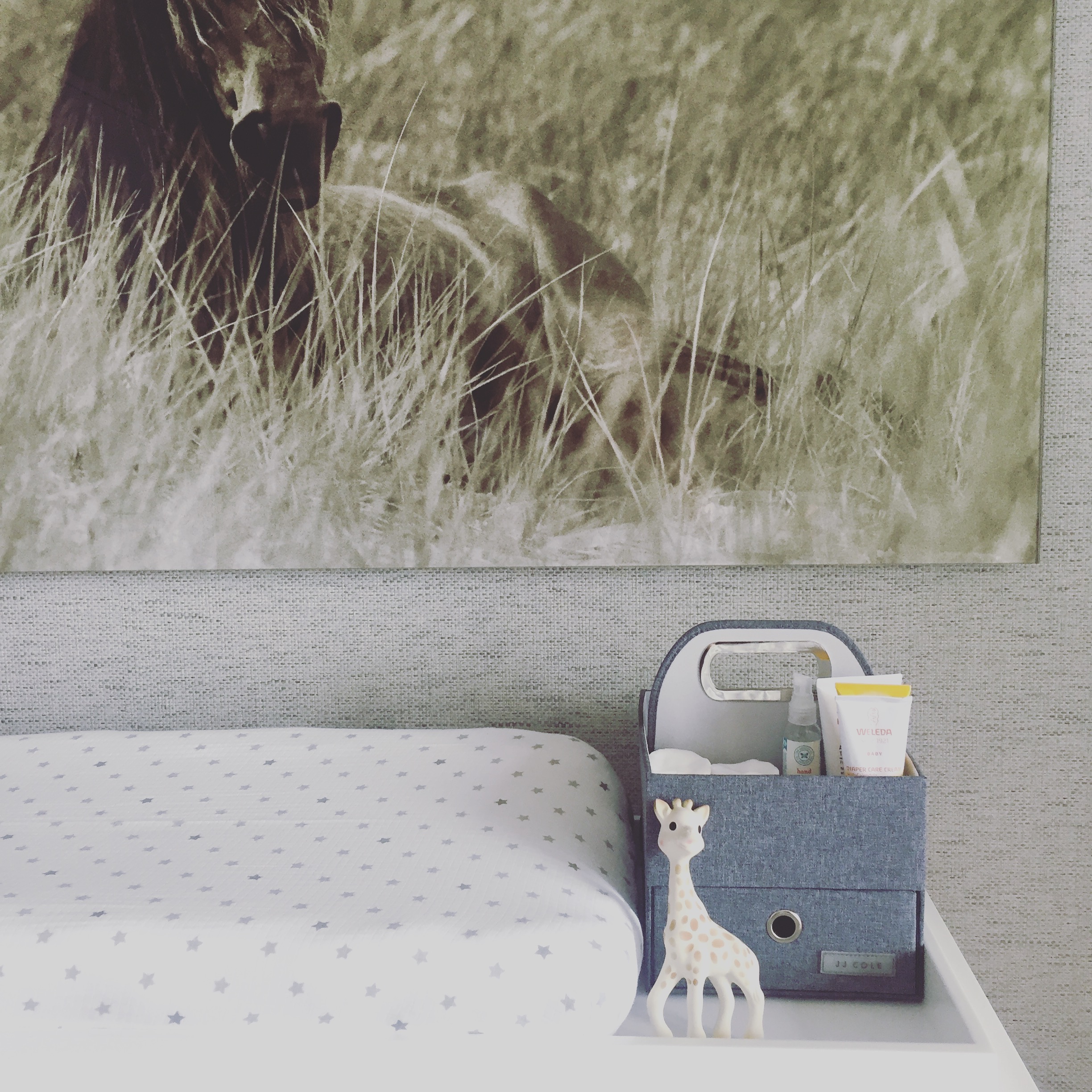
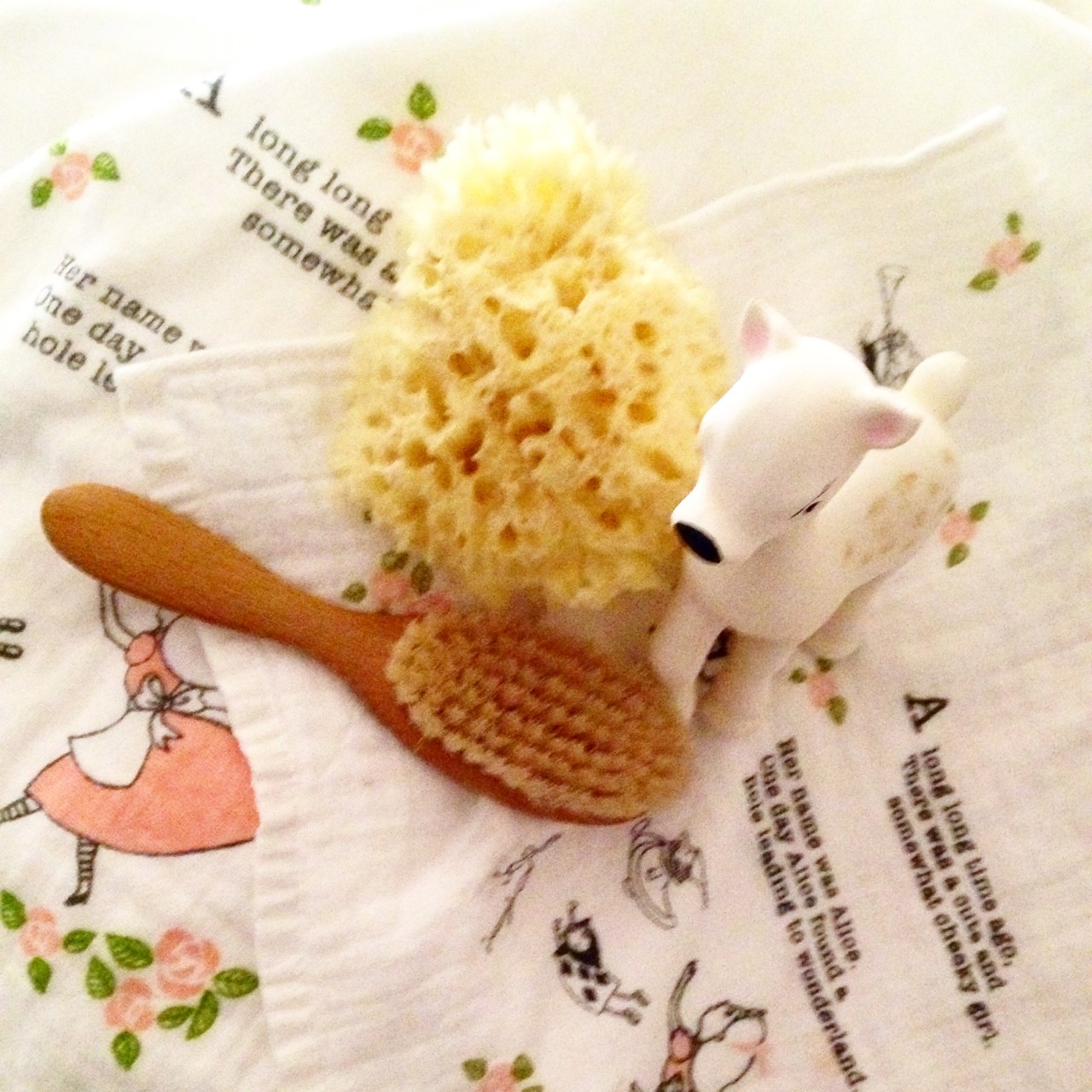
Designing a baby nursery is a beautiful act of care. It’s often the first space we intentionally create for a new life—one filled with love, hope, and imagination. A sustainable nursery takes that care one step further: it supports your baby’s health while also honoring the environment they’ll grow up in.
Sustainability doesn’t mean sacrificing comfort or style. In fact, it often leads to a calmer, more thoughtful space—one that grows with your child and leaves a lighter footprint on the planet.
Start With Fewer, Better Things
Babies truly need less than we think. Choosing fewer, high-quality items reduces clutter and waste while creating a more peaceful environment. Look for pieces that are versatile, durable, and designed to last beyond the baby stage—like a dresser that doubles as a changing table or a crib that converts into a toddler bed.
When possible, consider secondhand or gently used furniture. Reusing well-made pieces keeps them out of landfills and adds character and story to your nursery.
Choose Healthy, Non-Toxic Materials
A sustainable nursery is also about indoor air quality and your baby’s developing body. Many conventional furnishings and paints release chemicals that linger in the air. Opt for solid wood furniture instead of particleboard, low-VOC or zero-VOC paints and finishes, and organic or natural textiles for rugs, curtains, and bedding. These choices create a healthier space for sleep, play, and growth—while reducing environmental harm.
Think Natural and Timeless
Neutral, nature-inspired colors and simple designs stand the test of time. Instead of trendy themes that may feel outdated in a year, choose a palette and decor that can evolve as your child grows.
Natural fibers like cotton, wool, linen, and jute are not only biodegradable, but also warm, breathable, and comforting. They bring a softness to the room that feels grounding for both baby and parents.
Light, Energy, and Longevity
Use natural light as much as possible and add energy-efficient lighting for evening hours. LED bulbs last longer and use significantly less energy, making them a simple but impactful choice.
Consider how each item will be used long-term. A rocking chair can later become a reading chair. Storage baskets can move from diapers to toys to books. Designing with longevity in mind reduces future consumption.
Sustainability Is a Mindset, Not Perfection
A sustainable nursery isn’t about doing everything “right.” It’s about making thoughtful choices where you can—choosing progress over perfection. Even small shifts, like skipping single-use decor or choosing washable cloth items, make a difference.
In creating a nursery that’s gentle on the planet, you’re also modeling values of care, respect, and intention. It’s a quiet but powerful way to welcome your baby into a world you’re actively working to protect.
A sustainable nursery is more than a room—it’s a promise for the future 💚
Product Choices and Recommendations
Furniture
- Choose solid wood or bamboo cribs, dressers, and gliders from brands such as Babyletto or DaVinci, Nestig, prioritizing durability and non-toxic finishes.
Bedding & Textiles
- Opt for GOTS-certified organic cotton or bamboo sheets, blankets, and swaddles. Brands like Naturepedic, Burt’s Bees Baby, Swaddle Me, Halo, Sleep pea from Happiest Baby and and Coyuchi offer sustainable textile options.
Mattresses
- Select organic, non-toxic mattresses made with natural materials, often featuring waterproof organic covers for added safety and sustainability.
Paints
- Use low-VOC (Volatile Organic Compounds) or natural paints to help maintain high indoor air quality in the nursery.
Decor & Storage
- Incorporate natural elements like safe plants (Boston Fern, Spider Plant) for air purification.
- Use cotton canvas storage bins, such as those from Pehr, for organizing essentials.
Baby Essentials
Washable cloth diapers
- Use diaper services for convenience and time efficiency as a eco-friendly option.
Compostable Diapers
A fully compostable diaper is a disposable diaper designed to break down into organic, nutrient-rich material rather than sitting in a landfill for hundreds of years. Unlike conventional disposables, these are primarily made from biodegradable materials like wood pulp, bamboo, and plant-based bioplastics.
Key aspects of fully compostable diapers include:
- Biodegradable materials: Made from plant-based ingredients, free from chlorine, fragrances, lotions, and heavy plastics.
- Industrial composting needed: Due to human waste, these must be processed in a licensed commercial or industrial facility to ensure safety; they are not suitable for standard backyard composting.
- The composting process: In specialized facilities, diapers are shredded and broken down, often within 10 days, leaving behind usable soil and separating non-organic components for recycling.
- Innovative “mycodigestible” diapers: Technologies such as those from Hiro Technologies use integrated fungi to break down plastic components, converting the diaper to black soil within a few months.
- Brands and services: Dyper, Nest, Bambo Nature, and Eco by Naty offer compostable options. Specialized services like Redyper and EarthBaby can collect and manage the composting process.
Important distinctions:
- “Biodegradable” vs. “Compostable”: A biodegradable diaper may only break down partially or over a very long time, while a compostable diaper is intended to break down fully under specific conditions.
- Not fully biodegradable yet: According to some experts, no disposable diaper is currently 100% biodegradable in real-world conditions.
- Greenwashing risk: Some “eco-friendly” diapers are not fully compostable; always check for credible certifications.
Safe, organic, and sustainable baby care brands like
Earth Mama Organics, Badger Balm, Babo Botanicals, Pipette, Honest, Coterie and Weleda, offer non-toxic lotions, soaps, and sunscreens.
Baby Wipes and Accessories
- Use 100% organic cotton dry wipes for the first weeks and wet wipes for gentle and sustainable cleaning.
- Opt for the best biodegradable wipes available for minimal environmental impact. EcoPeaCo, DYPER.
- Choose compatible biodegradable garbage bags for Ubbi or Dekor pails to ensure safe and odor-free disposal.
- Use Q-tips and disposable pads made from organic and sustainable materials.
Detergents & Household products
- Choose plant-based, enzyme-driven detergents that are free from optical brighteners, dyes, fragrances and parabens.
- Look for biodegradable, concentrated formulas, packaged in recyclable or refillable containers.
- Prefer hypoallergenic, fragrance-free options or those lightly scented with essential oils.
Best laundry detergent: Molly’s Suds Liquid Baby Detergent uses minimal, mineral- and plant-based ingredients and is suitable for cloth diapers.
- Best zero-waste options: Tru Earth Baby Laundry Detergent Strips (plastic-free, hypoallergenic) and Blueland Laundry Tablets (100% plastic-free, EPA Safer Choice).
- Best eco-conscious brand: Meliora Laundry Powder is unscented, plastic-free, and supported by 1% For The Planet.
- Other options: Honest, Seventh Generation.
Household cleaning products: Dapple Baby, AspenClean, Puracy, Attitude, Dr Bronner’s Castile soap.
Bottles and Nipples
- Glass bottles are a durable and non-toxic choice; consider options like Phillips Avent Natural Flow and Lansinoh Glass Wide Nipple Base Bottles.
- For nipples, food-grade silicone is safe and widely available, but not biodegradable. Natural rubber nipples are the most eco-friendly choice, being plant-based, biodegradable, and compostable, but may need more frequent replacement and are less commonly available. Be aware of possible latex allergies with rubber nipples.
Pacifiers
- Natural rubber pacifiers are biodegradable, renewable, and chemical-free. However, avoid if your baby has a latex allergy.
- Silicone pacifiers are durable and free of chemicals and a great option when there is a latex allergy, but are not biodegradable.
- Brands like Hevea, Frigg, Snuggle Me, and BIBs are known for their commitment to eco-friendly manufacturing, non-toxic materials, and transparency.
Toys and Other Essentials
- Choose wooden, rubber or silicone toys for sustainability and durability.
- Pay attention to the sustainability and material safety of cribs, clothing, baby body products, and household products, favoring natural and certified options whenever possible.
Clothing
Choose options of well fitted natural organic fabrics from Coton or Bamboo.
Honest, Monica & Andy, H & M, Kyte, Kate Quin, Burt’s Bees,